
Center Stone Carat Size Guide*The setting in the image is for reference only
Shown with 2.0ct

*closest value to your size 2.0ct
Shown with 2.0ct *closest value to your size 2.0ct


Lab Diamond
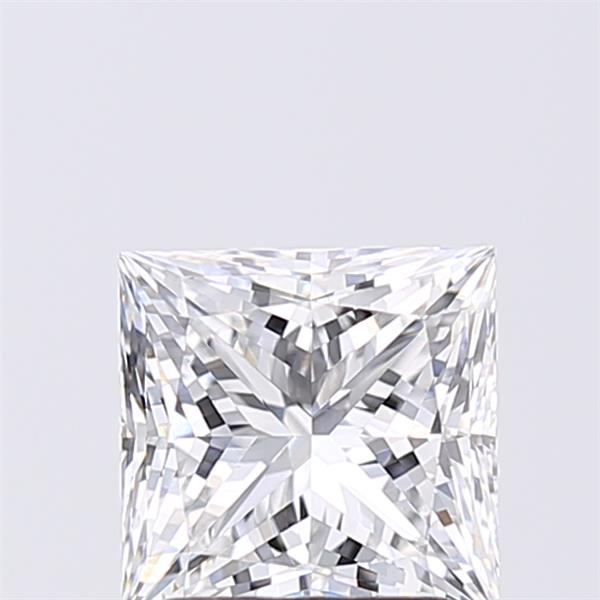
View Certificate2.02 Carat E VVS2 Princess Lab Diamond
$1,180
2.02ct
Carat
E
Color
VVS2
Clarity
1.01
Ratio
6.79/6.73
L/W (mm)
1.01
Ratio
6.79/6.73
L/W (mm)

IGI-Lab Diamond
Click to View Certificate
Meet With Our Consultant
Book a personalized consultation with one of our jewelry experts in our showroom or in a one-on-one online session.
Pay in 12 interest-free installments of
$98.33
Diamond Parameters
Know Your Stone
CARAT
2.02ct
Universal measurement unit for diamonds
CLARITY
VVS2
Hard to see inclusions even under 10x magnification
COLOR
E
Completely colorless
DIMENSIONS (mm)
6.79x6.73
Ratio: 1.01
IGI Lab
DiamondView Certificate
LabDiamond
Product Overview
Understand Your Diamond Qualities
ColorE
Completely colorless, these diamonds are rare and highly sought after. A good choice when money is no object.
Color refers to the natural tint of a diamond. The closer the diamond is to “colorless” the rarer it is. The industry standard for grading diamond color is to assign a letter grade from D (colorless) to J (nearly colorless).
ClarityVVS2
Very, Very Slightly Included. Inclusions are present, but extremely hard to see - even under 10x magnification.
Most diamonds have imperfections in the form of internal inclusions and surface blemishes. These imperfections are graded on a scale from FL (flawless) to I1–I3 (included). FL diamonds are the rarest and hardest to find.